
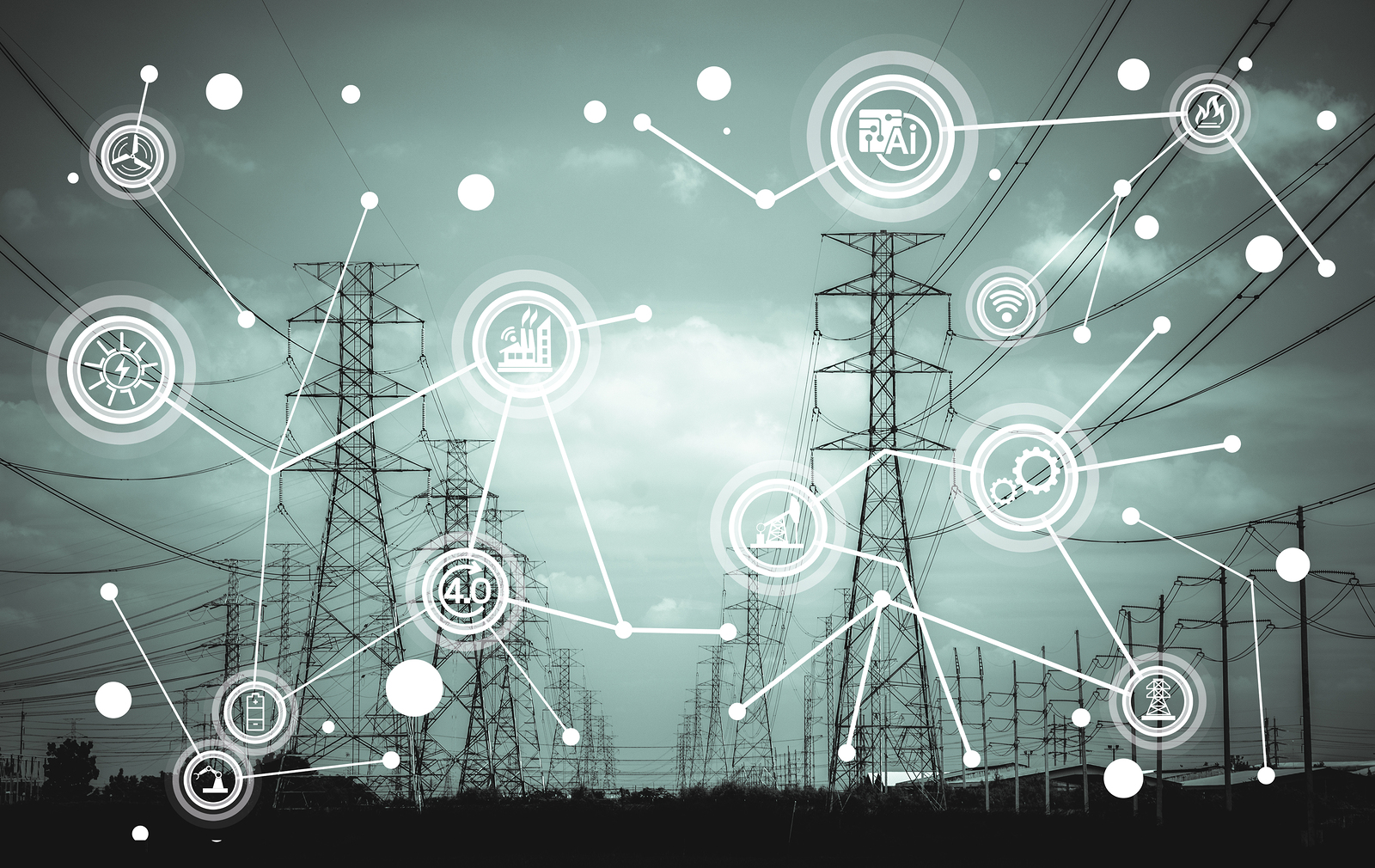
Infrastructure in the UK looks set to be transformed by artificial intelligence (AI), with new research revealing that 90 per cent of decision-makers in the architecture, construction and engineering sector believe it will transform the industry.
Carried out by SenSat, the study found that 95 per cent also think that digitisation makes their business more efficient. The results also suggest that AI will succeed in delivering more than £14 billion a year in new revenue.
There appears to be serious confidence in British technology right now, with 40 per cent of those asked saying they think the country is leading the world where infrastructure AI is concerned. So now could well be the perfect time to think about artificial intelligence investing, which we here at AI Seed can certainly help with.
Each year, we invest £100,000 each in up to 20 early-stage startups using the very latest in AI and machine learning to come up with innovative products, while supporting businesses that solve real-world problems.
Pre and post-investment support is available, tailored specifically to the unique needs of AI and machine learning startups, including access to some of the most successful AI entrepreneurs in the world, introductions to commercial partners and customers, subsidised work space and facilities in central London and lots more.
The SenSat study also found that digital twin technology is predominantly where digital innovation is going to come from, with 99 per cent of survey respondents saying that digital twins will be important in the future.
But it seems a skills gap exists in this regard, with just 44 per cent of businesses making use of digital twins – virtual models of processes, products or services.
The pairing between the virtual and physical worlds means that data can be analysed and monitored in order to address potential issues before they even happen, helping firms identify new opportunities, plan for the future and prevent downtime if and when problems do crop up.
Data is gathered in real time by sensors in smart components that are integrated with physical products, components that are connected to the cloud so all the data can be processed and analysed against other business-related information. This means that lessons can then be learned in the virtual world that can later be applied to the physical.
Take a look at this article on the Forbes website featuring some examples of how digital twins have been used by businesses in the past. The city of Singapore, for example, has its own digital twin to help city planners drive energy consumption efficiencies, as well as understanding applications that can improve the lives of the people who live there.
Interested in investing in AI startups? Get in touch with us today for help and advice.


